Being hit by a vehicle while walking is a serious event, even when the impact felt minor. Pedestrians have almost no protection from a moving car, and injuries like head trauma or internal bleeding are not always obvious right away. This article is for general informational purposes only and is not legal advice.
Step 1: Get Medical Attention Immediately
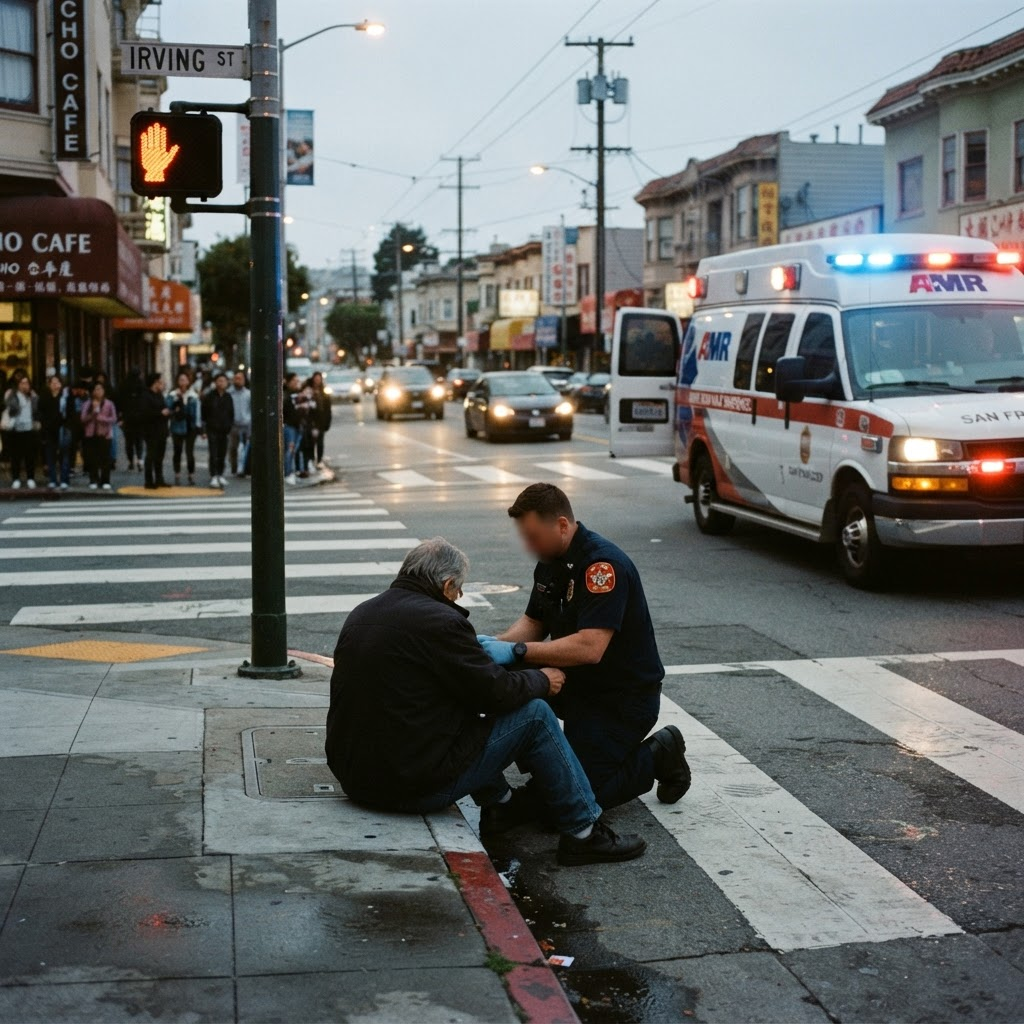
Call 911 or ask a bystander to call for you, even if you think you can walk away. Let paramedics evaluate you at the scene. Many serious pedestrian injuries, including concussions, fractures, and internal injuries, take hours to show symptoms.
Step 2: Get the Driver's Information
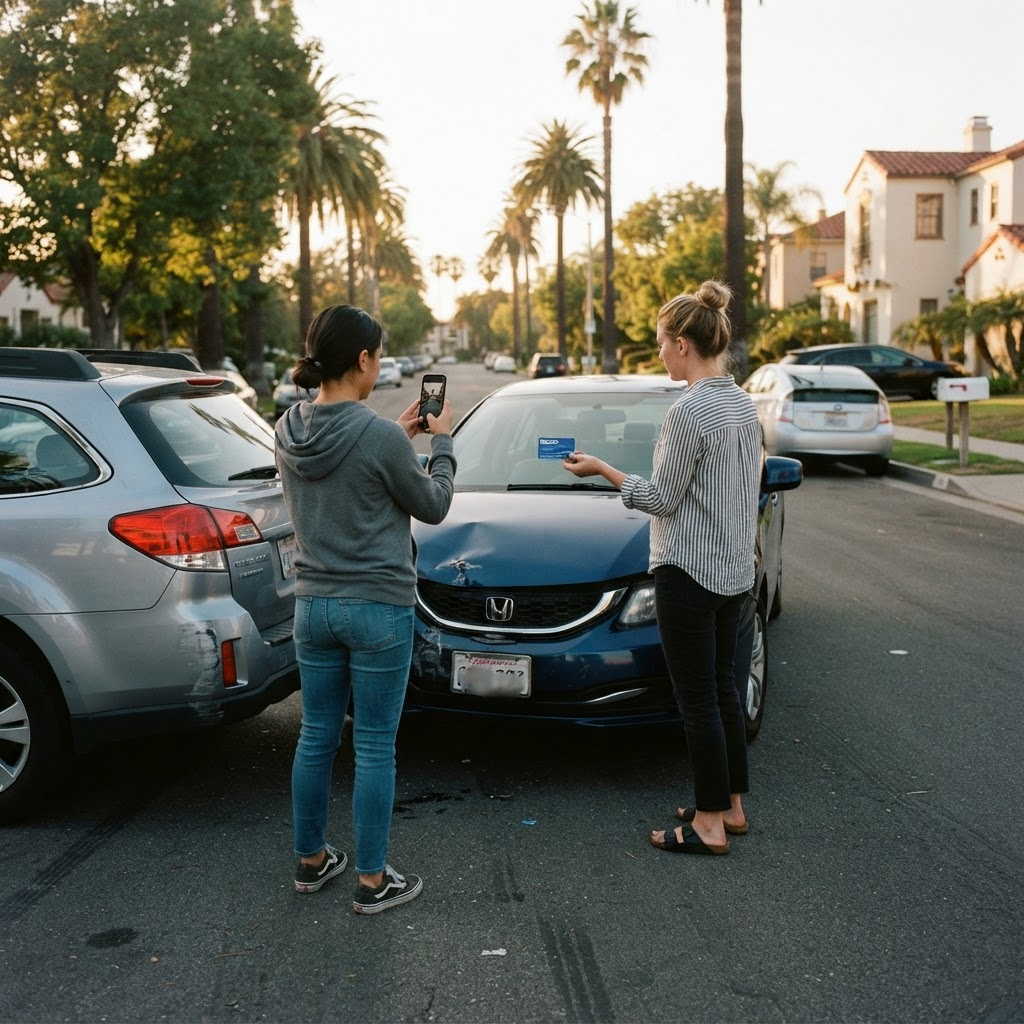
If you are able, get from the driver:
- Full name and phone number
- Driver's license number
- Insurance company and policy number
- License plate number
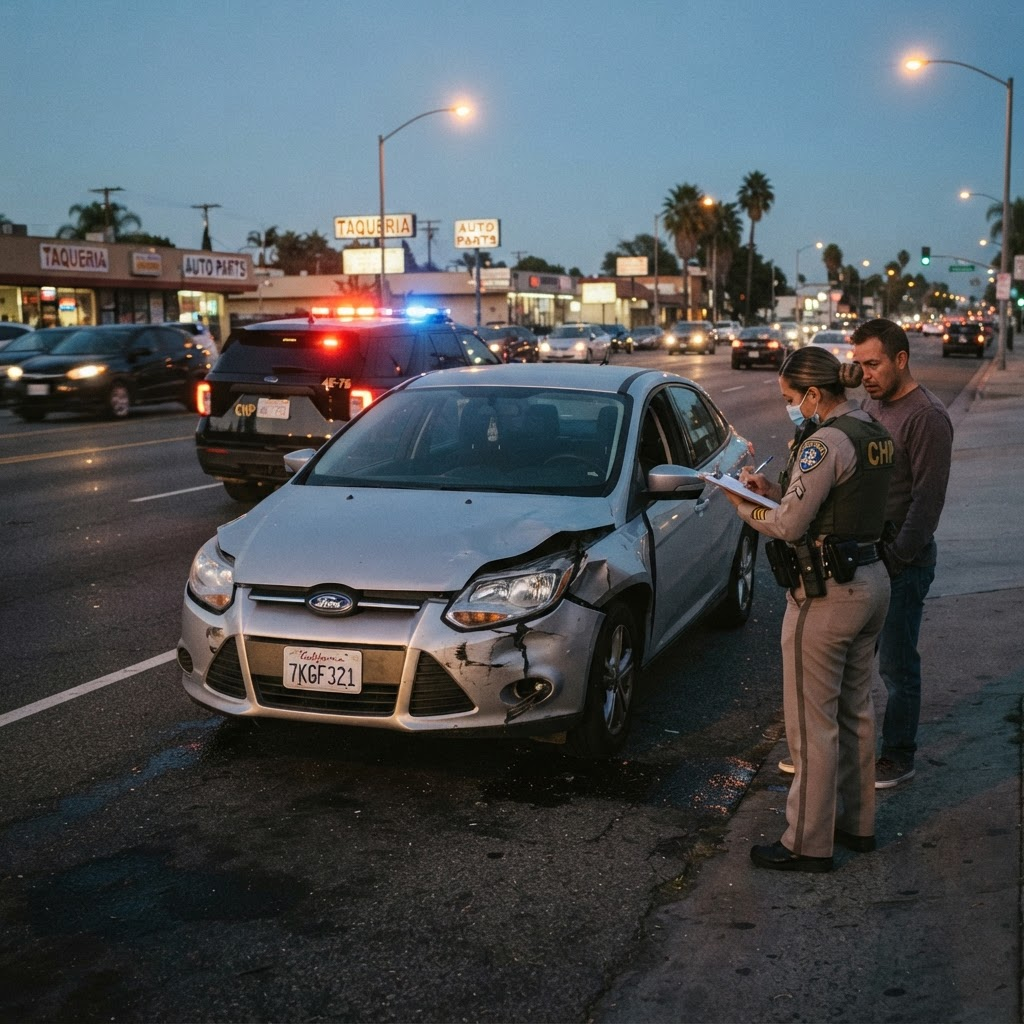
If the driver leaves without stopping, this is a hit-and-run. Focus on remembering as many details about the vehicle as you can and tell the responding officers immediately.
Step 3: Document the Crosswalk and Intersection
Photograph exactly where you were struck, the crosswalk markings or lack of them, the traffic signal state if there was one, and any skid marks. Note whether you had the pedestrian right of way. These details matter regardless of whether the accident happened at a major intersection or a quiet residential street.
Step 4: Get Witness Contact Information
Bystanders who saw the accident are often the most reliable source of what actually happened, especially regarding signal timing and who had the right of way. Get names and phone numbers before they leave the scene.
Step 5: File a Police Report
Ask the responding officer for the report number. If police do not respond to the scene, you can still file a report at the local police department, or submit a Traffic Collision Report (SR-1) to the California DMV within 10 days if there are injuries or damages exceeding $1,000.
Step 6: Follow Up With Medical Care
Even if you were cleared at the scene, follow up with a doctor within a day or two. Pedestrian accidents frequently cause injuries that worsen or only become apparent after the initial adrenaline wears off.
Understanding Fault as a Pedestrian
California generally gives pedestrians the right of way in marked and unmarked crosswalks, but fault determinations depend on the specific facts, including signal timing and each person's actions. This is a legal question that a licensed attorney is best positioned to evaluate based on your situation.
Your Path Forward
Getting checked out and documenting what happened matters more in the first hours than sorting out fault or insurance. This article is for general informational purposes only and is not legal advice. NoLawyerHelp helps pedestrian accident victims across California access medical care, transportation to appointments, and support at no cost.
Disclaimer: NoLawyerHelp.com is not a law firm and does not provide legal advice. The information in this article is for general informational purposes only and should not be considered legal advice. For legal guidance, please consult a licensed attorney.