Being hit by a driver who then speeds away is disorienting and scary. On top of the shock of the crash itself, you're left wondering who will pay for your care and whether the driver will ever be found. This article is for general informational purposes only and is not legal advice. Please consult a licensed attorney for guidance specific to your situation.
Step 1: Get to Safety and Call 911
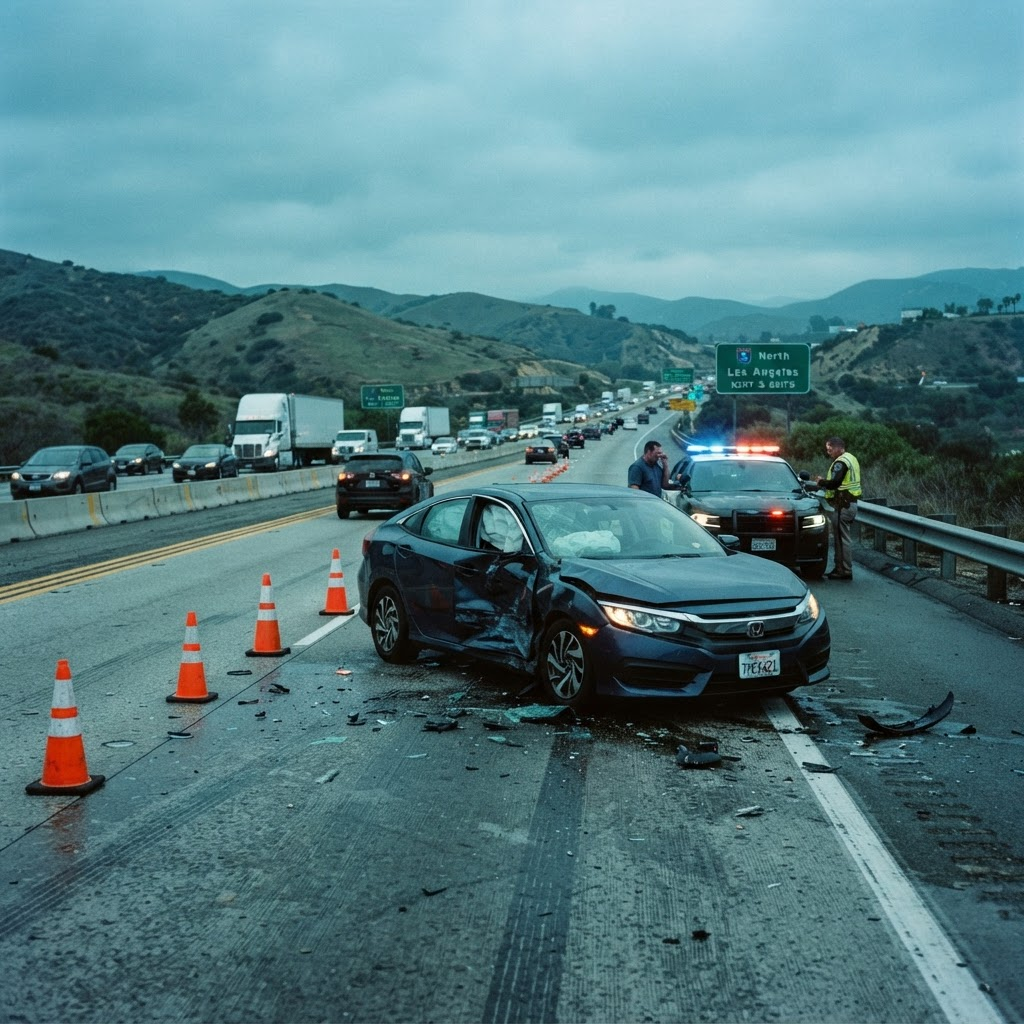
Move to a safe location if you are able, and call 911 immediately, even if the other driver is already gone. Tell the dispatcher it was a hit-and-run so responding officers know to look for a fleeing vehicle in the area. Do not attempt to chase the other driver yourself.
Step 2: Write Down Everything You Remember, Right Away
Memory fades fast after a traumatic event. As soon as you're safe, write down or record on your phone anything you noticed about the other vehicle:
- Color, make, and approximate model of the vehicle
- Any part of the license plate number, even a partial one
- Direction the vehicle was traveling when it left
- Any distinguishing features: dents, bumper stickers, missing hubcaps
- A description of the driver, if you saw them
Step 3: File a Police Report
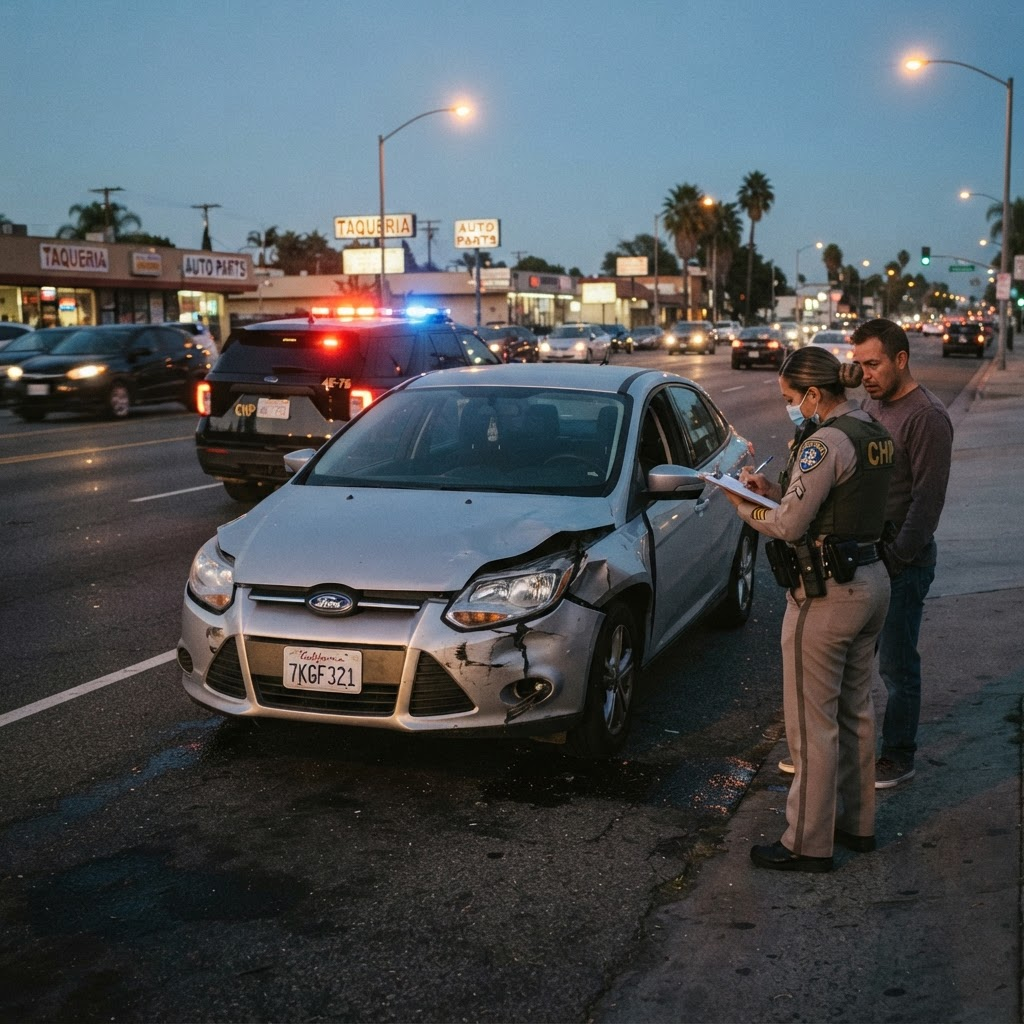
A police report is essential in a hit-and-run because it creates an official record while details are fresh, and it can trigger a search for the vehicle. If officers do not come to the scene, you can file a report at your local police department or, for accidents involving injury or over $1,000 in damage, submit a Traffic Collision Report (SR-1) to the California DMV within 10 days.
Step 4: Get Medical Care, Whether or Not the Driver Is Found
Do not wait to see if police locate the other driver before seeking treatment. Many serious injuries, including concussions and whiplash, are not obvious right away.
Step 5: Understand That Insurance Questions Are Separate From Medical Care
Whether you have uninsured motorist coverage, how your own policy might apply, and what your options are if the driver is never found are all legal and insurance questions specific to your policy and situation. We strongly recommend consulting a licensed attorney to understand what applies to you. NoLawyerHelp does not provide legal advice, but we can point you toward free legal aid referrals if you need them.
Step 6: Keep Documenting, Even Without a Suspect
Continue building your record regardless of whether the other driver is ever identified:
- Photos of vehicle damage, the accident scene, and any visible injuries
- All medical bills, records, and treatment notes
- Pay stubs or income documentation for any missed work
- A copy of your police report and report number
- Contact information for any witnesses
Your Path Forward
A hit-and-run leaves you dealing with uncertainty on top of an injury, but it does not mean you're without options for medical care and support. Whether the driver is ever found is a separate question from getting the treatment you need today. For legal questions about your specific case, please consult a licensed attorney. This article is for general informational purposes only and is not legal advice.
NoLawyerHelp connects hit-and-run victims across California with doctors who accept lien cases, helps you access Emergency Medi-Cal, arranges transportation to appointments, and points you toward legal referral resources if you need them, at no cost to you.
Disclaimer: NoLawyerHelp.com is not a law firm and does not provide legal advice. The information in this article is for general informational purposes only and should not be considered legal advice. For legal guidance, please consult a licensed attorney.