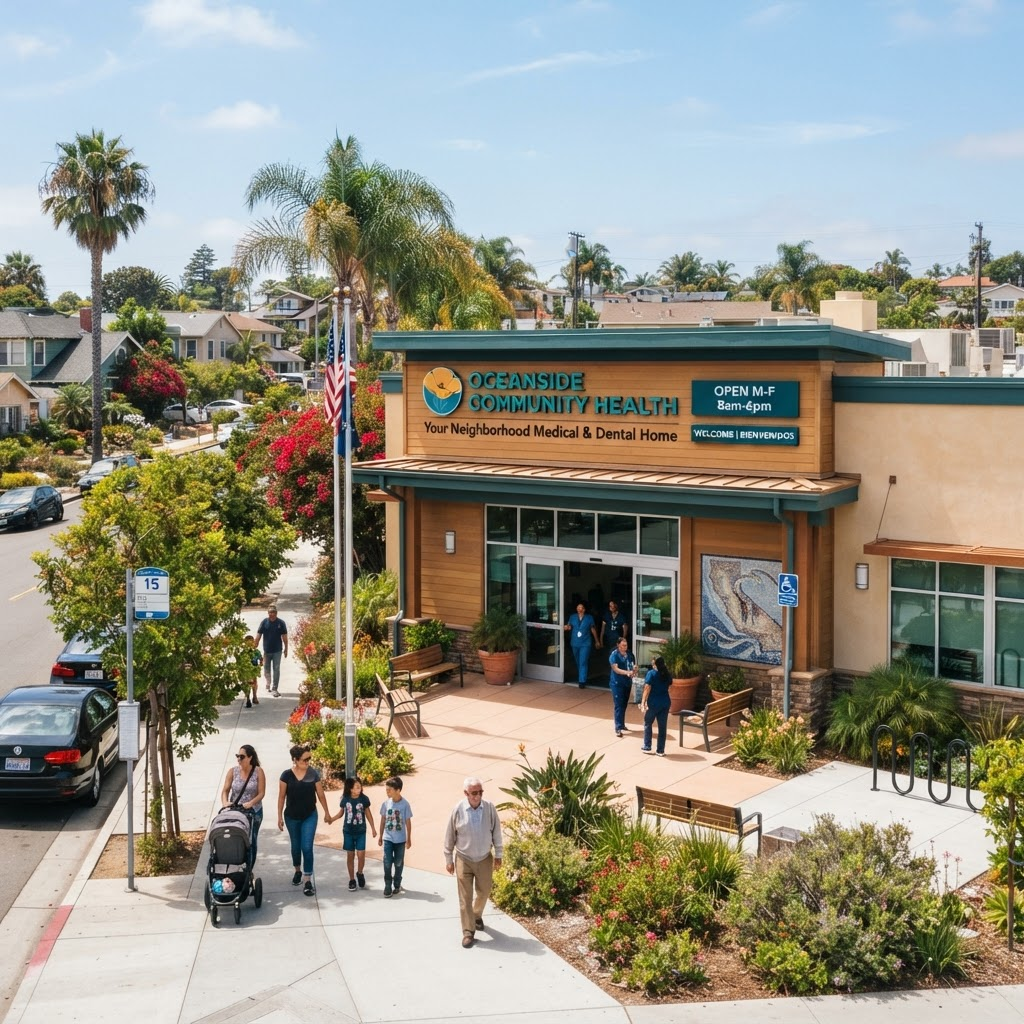
California has over 1,200 community health center sites serving millions of patients each year, many at little to no cost. Here is how to find one and what to expect.
What Are Community Health Clinics?
Federally Qualified Health Centers (FQHCs) and community clinics receive federal funding to provide primary care services to underserved populations. By law, they must serve everyone regardless of immigration status, insurance, or ability to pay — see our guide to free medical help for undocumented accident victims. Fees are charged on a sliding scale based on your income.
Services Typically Offered
- Primary and preventive care
- Urgent care for non-emergency conditions
- Dental and vision care
- Mental health and substance use services
- Prenatal and OB/GYN care
- Pediatric care
- Pharmacy and prescription assistance
- Patient navigation and social services
Major Community Clinic Networks in California
- Los Angeles: AltaMed, Clinica Romero, Watts Healthcare, Asian Pacific Health Care Venture
- San Diego: Family Health Centers of San Diego, North County Health Services
- Bay Area: LifeLong Medical Care, Tiburcio Vasquez Health Center, La Clinica de La Raza
- Central Valley: Clinica Sierra Vista, Golden Valley Health Centers
- Inland Empire: Neighborhood Healthcare, Inland Behavioral and Health Services
How to Find a Clinic Near You
The Health Resources & Services Administration (HRSA) maintains a searchable database at findahealthcenter.hrsa.gov. You can search by ZIP code and filter by services offered. California also maintains a directory at the Department of Health Care Services website.
What to Bring
- Any form of identification (a passport, consular ID, or school ID is fine; a Social Security number is not required)
- Proof of income (pay stubs, tax return, or a signed self-declaration if you have no income)
- Insurance card if you have one (Medi-Cal, Medicare, or private insurance)
- Medical records related to your accident, if available
Sliding Scale Fees
Fees at FQHCs are based on the Federal Poverty Level (FPL). Patients at or below 100% FPL typically pay the minimum fee ($20 to $40 per visit in many clinics). Patients above 200% FPL pay more but still far less than standard market rates. No one is turned away for inability to pay, and you may also qualify for Emergency Medi-Cal for accident-related emergency care.
Disclaimer: NoLawyerHelp.com is not a law firm and does not provide legal advice. The information in this article is for general informational purposes only and should not be considered legal advice. For legal guidance, please consult a licensed attorney.