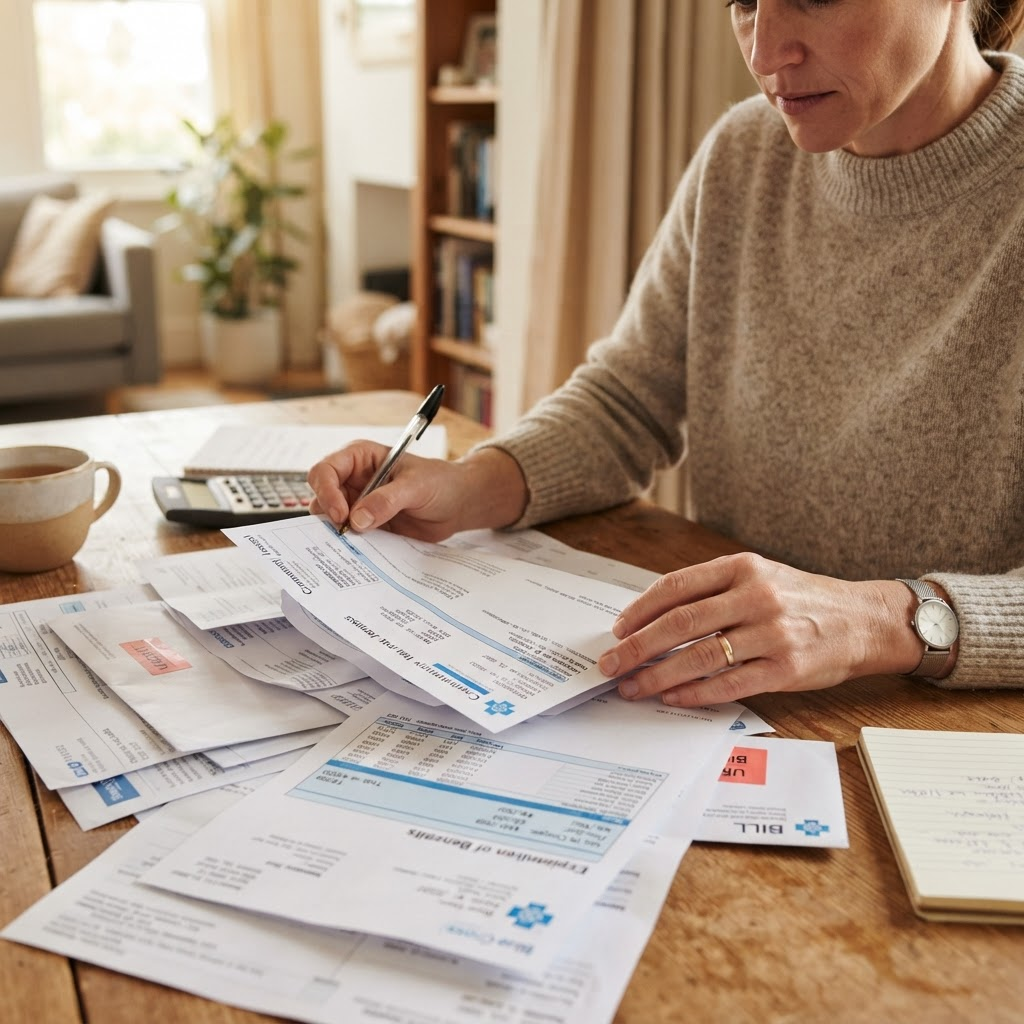
Most people do not know that medical bills are negotiable. Hospitals and providers routinely accept less than what they billed, especially for uninsured patients or those who can demonstrate financial hardship. Here is how to negotiate effectively.
Start With an Itemized Bill
Before negotiating anything, request an itemized bill from every provider. Medical bills often contain errors: duplicate charges, services never rendered, or incorrect billing codes. Research by the Medical Billing Advocates of America suggests that up to 80% of medical bills contain errors. Identifying and disputing these errors is the first step.
Key Strategies for Negotiating
- Ask for the cash-pay rate. Providers typically offer significant discounts (sometimes 20 to 50%) to patients who pay in cash without going through insurance. If you are uninsured, always ask for this rate.
- Request charity care. Most nonprofit hospitals in California are required to offer charity care programs for low-income patients. Ask the billing department about financial assistance programs.
- Negotiate a payment plan. If you cannot pay the full amount, most providers will agree to a monthly payment plan with no interest.
- Compare to Medicare rates. Medicare pays much less than the standard billed amount. You can use Medicare rates as a benchmark for what is "reasonable" when negotiating.
Negotiating Medical Liens
If you received treatment on a medical lien and are settling an insurance claim, the lien holder will typically negotiate a reduction when they know the total settlement amount is limited. This is common practice and providers expect it. The process involves sending a letter explaining the total settlement proceeds and requesting a lien reduction.
Working With a Medical Billing Advocate
Medical billing advocates are professionals who review and negotiate medical bills on your behalf, typically for a percentage of the savings they achieve. They understand billing codes, insurance contracts, and hospital policies in ways that most patients do not. If your bills are large, a billing advocate can often save you significantly more than their fee.
Disputing Incorrect Charges
If you find charges on your bill for services you did not receive or that were medically unnecessary, you have the right to dispute them. Submit a written dispute to the provider and keep a copy. If the provider does not resolve the dispute, you can file a complaint with the California Department of Managed Health Care or the Department of Health Care Services.
How NoLawyerHelp Can Help
We can help you understand your bills, identify errors, and connect you with resources for financial assistance and lien negotiation. See also our guide to understanding medical bills. Contact us and we will help you navigate the process without being overwhelmed.
Disclaimer: NoLawyerHelp.com is not a law firm and does not provide legal advice. The information in this article is for general informational purposes only and should not be considered legal advice. For legal guidance, please consult a licensed attorney.